
.png)
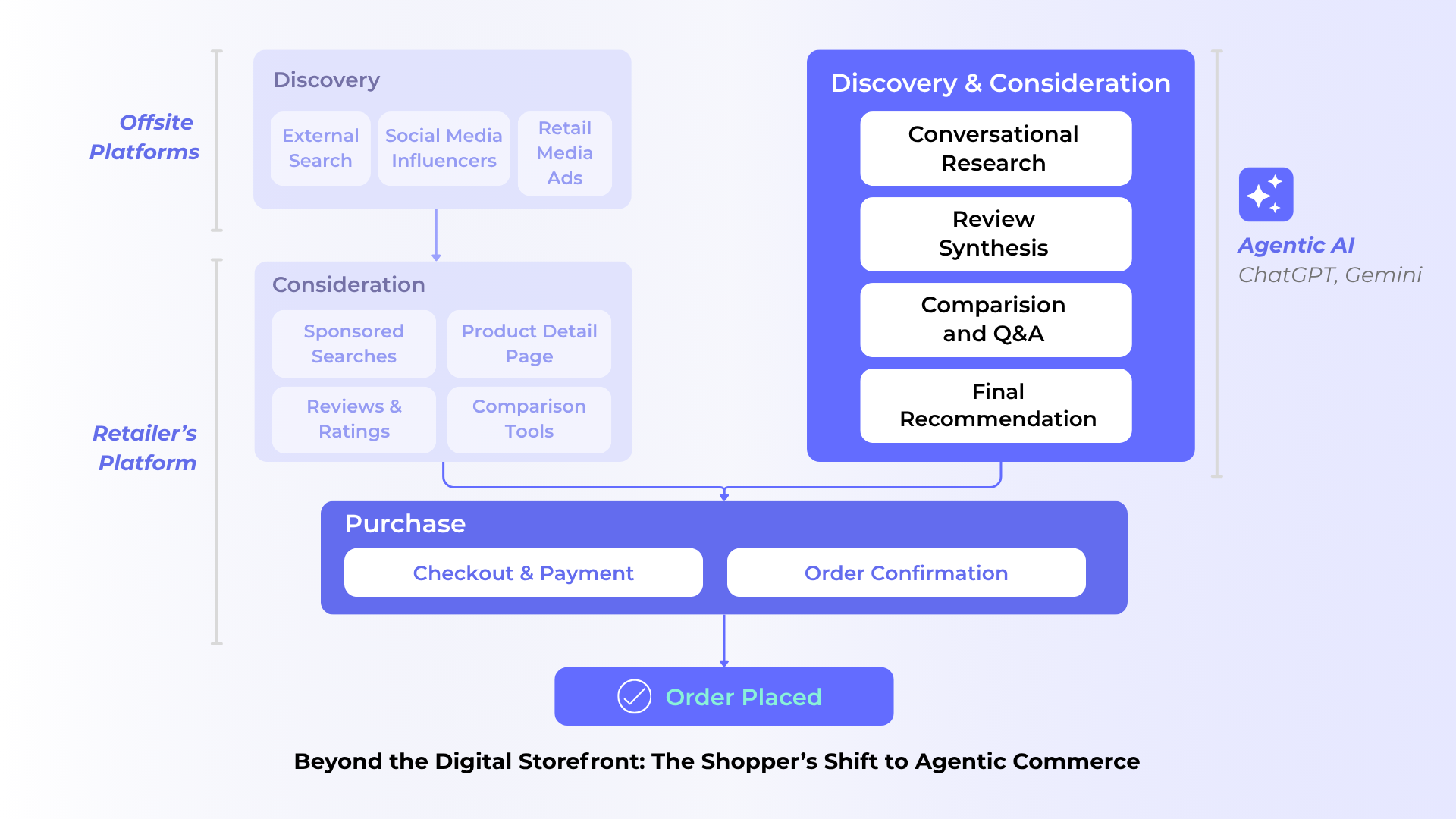
For the last decade, the retail industry relied on a predictable funnel: Discovery happened elsewhere, while research and comparison happened on the retailer's website. That assumption is being replaced by a new reality.
Agentic AI can now bypass the discovery phase entirely. By moving shoppers directly from a conversational LLM prompt to a purchase link, AI is turning the digital storefront from a research destination into a fulfillment layer.
Roughly a third of shoppers across the US, UK, France, Germany, and the Netherlands now say they've replaced product discovery with an AI assistant. The discovery, comparison, and consideration moments are increasingly happening on surfaces the retailer doesn't own, through models the retailer didn't train, and in sessions the retailer doesn't see.
For the retail media industry, the implication is sharper. If AI agents intercept the front of the shopper’s journey, the most monetizable surfaces, the onsite inventory that retailers own, get fewer sessions to work with.
As the industry prepares for agentic commerce, here are the latest breakthroughs from the last fortnight.
Microsoft Copilot adopts support for UCP: The new standard for retailer visibility in AI search
Microsoft has added support for the United Commerce Protocol (UCP) feeds to Copilot via Microsoft Merchant Center, enabling “UCP-clean” catalogs to sell natively across AI interfaces. Co-developed by Google and Shopify and now backed by Amazon, Meta, Microsoft, Salesforce, and Stripe on its technical council, UCP is now positioned alongside OpenAI's ACP as one of the two emerging standards agents will rely on.
Mondelez restructures around agentic commerce, and they're not the last one
Mondelez is hiring a Global Lead of Emerging Commerce Platforms to manage the shift toward autonomous shopping, signaling that agentic commerce is now a core priority. With 30% of retail traffic projected to be agentic by 2028, the company is preparing brands like Oreo and Cadbury for AI-driven transactions.
Pulling these threads together, the shape of the next 18 months starts to look more deliberate. While retailers prepare their AI-driven search platforms, the protocol layer is consolidating, and the brand side is treating agent readiness as commerce infrastructure rather than a marketing experiment. The digital store isn't going away. It's no longer the only door.
New-to-Brand Metrics are Live for Sponsored Display Ads
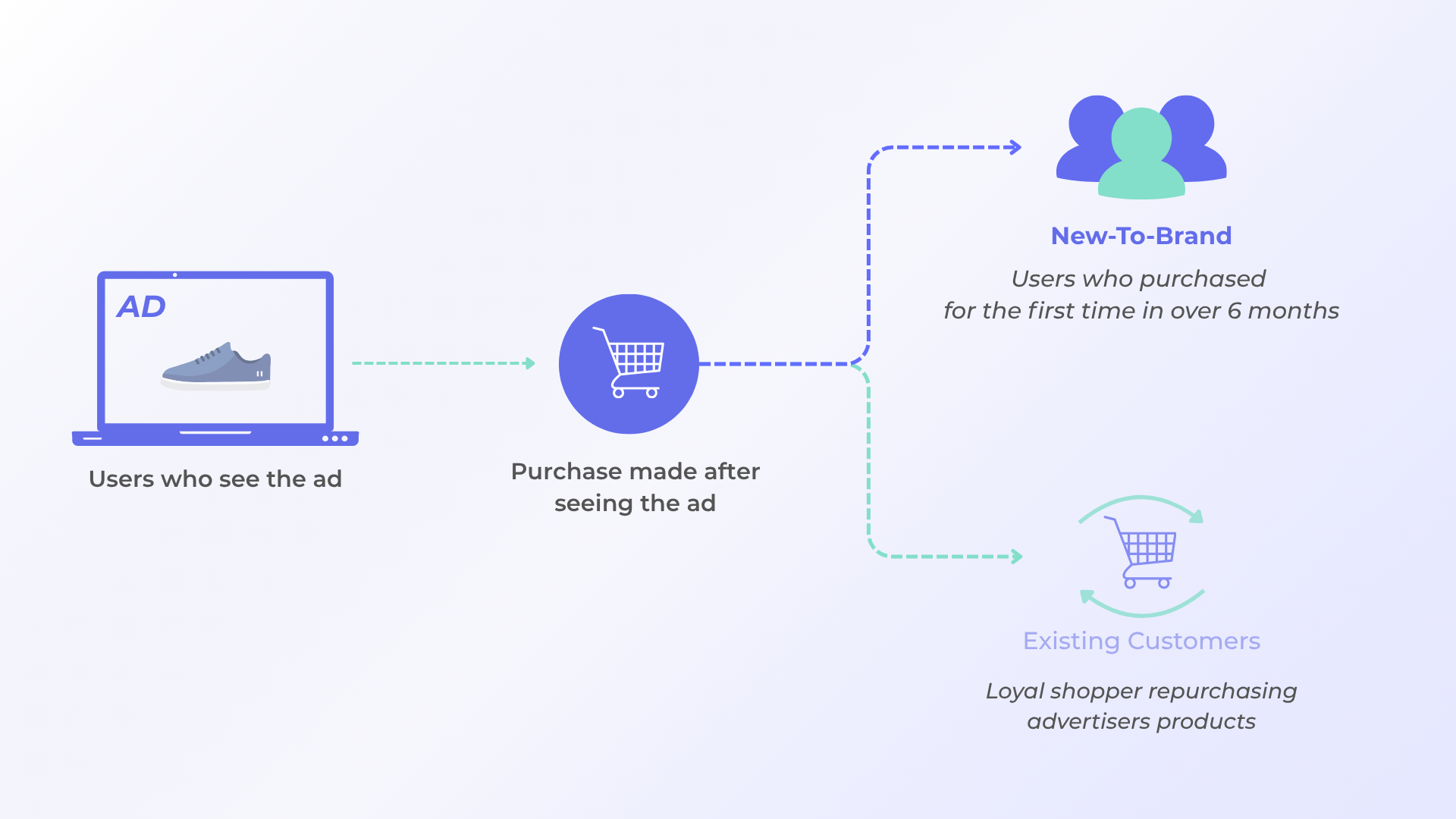
Advertisers demand accountability. 82% of European buyers rank transparency as their top criterion for retail media networks, ahead of raw performance. The challenge now is to attribute genuine brand growth. High ROAS is misleading if total sales stay flat. That gap usually means ad spend goes to brand loyalists who would have bought their products anyway, rather than driving incremental expansion.
To address this, we have enabled New-to-Brand (NTB) metrics on the Osmos platform. Retailers can now provide advertisers with the transparency to distinguish customer retention from true acquisition.
Stop guessing at incrementality. Connect with us to see how NTB metrics can refine your strategy.
Is Sephora’s Conservative Ad Strategy Its Biggest Competitive Advantage?
Insights from Fashion & Beauty Audit Report 2026
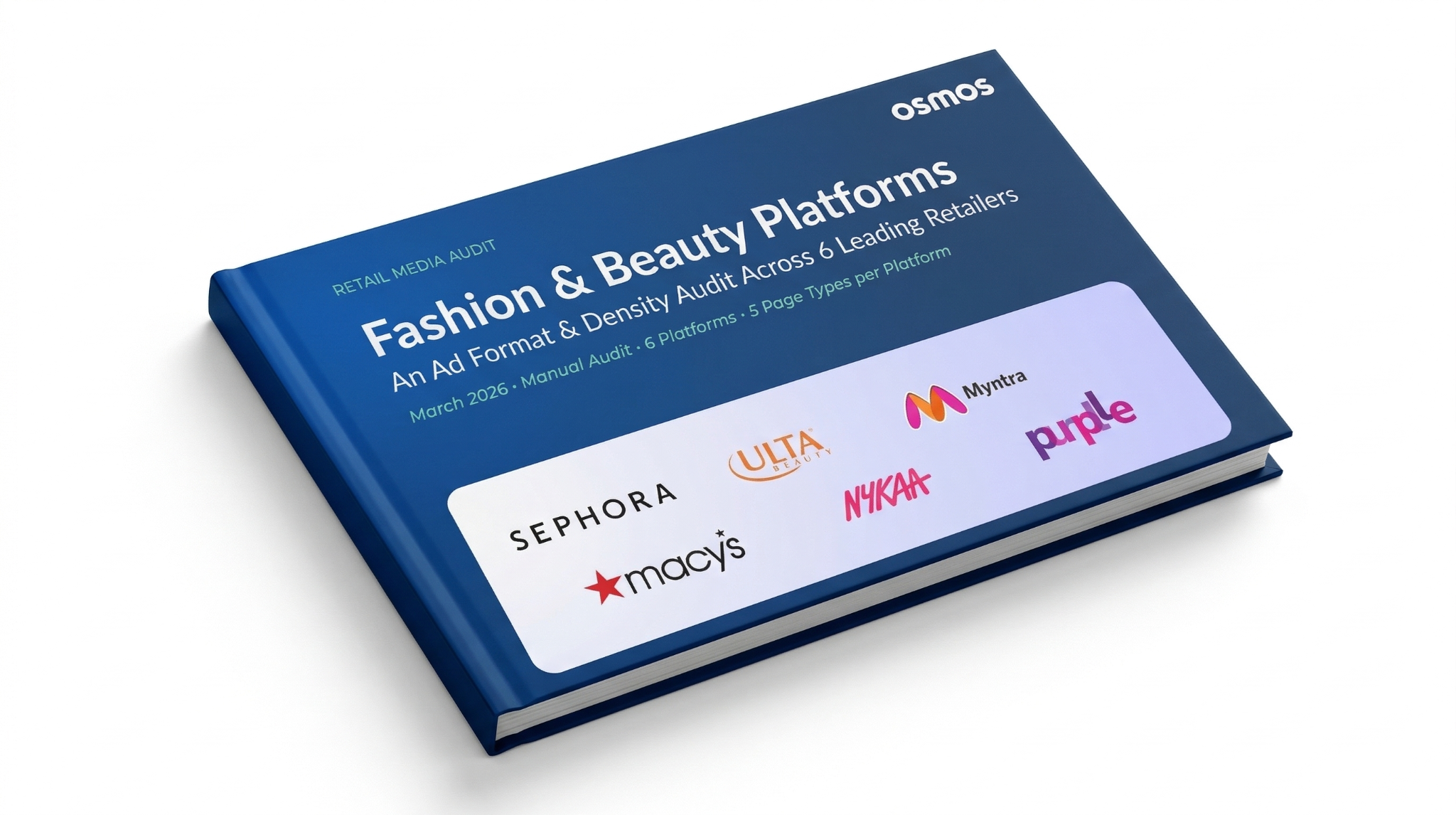
This manual audit benchmarked six global fashion and beauty powerhouses: Ulta Beauty, Macy’s, and Sephora in the US and EU, alongside Nykaa, Myntra, and Purplle in APAC. By analyzing five core page types, from the Home Page to the Checkout screen, we’ve uncovered a stark contrast between the high-efficiency "conversion machines" of the West and the "content-to-commerce" innovators in emerging markets.
What’s inside the report:
- Page-by-page ad load and density across all six retailers, from home page to checkout.
- The trade-off between Ulta and Macy's as conversion machines, Sephora's deliberately sparse shelf, and the content-to-commerce playbook the APAC trio is running.
- Ad formats that are underused at scale, including pre-search monetization, video-led storytelling, and shoppable influencer content.
In Other News
How Pick n Pay achieved 8.81 ROI by turning its liquor aisle into a working ad surface
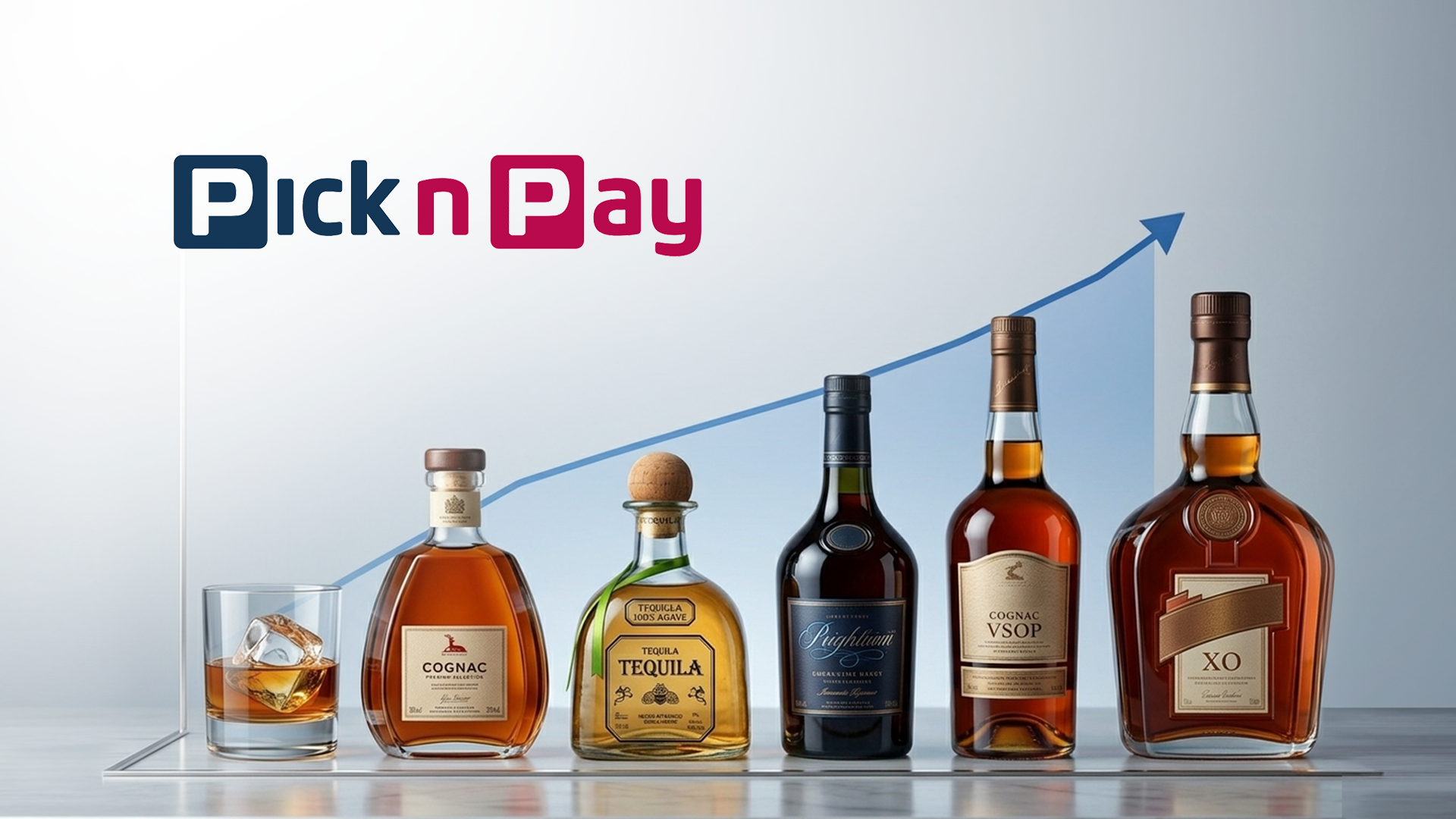
By recognizing high-intent search behavior within the beer category to place relevant brands directly in the shopper’s path.
“Ask Macy's" reports a 400% spend lift on AI-assisted shoppers
Framing it as "curated discovery" rather than search, the assistant nudges shoppers toward complete outfits instead of single items.
Walmart brings Sparky to ChatGPT as OpenAI rethinks Instant Checkout
Users can now seamlessly move from product discovery on the AI platform to completing purchases on Walmart’s site.


.png)
